
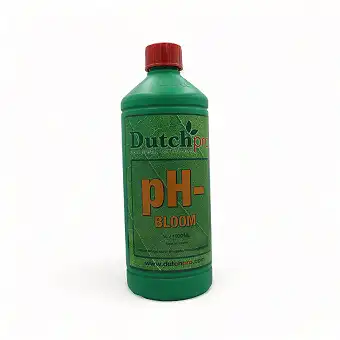
PH- Bloom: Unlocking the Secrets of Successful Plant Growth
Plants are wonderful living organisms, essential not only for our environment but also for our well-being. Ensuring they thrive often revolves around the right balance of nutrients, light, and water. However, one factor frequently overlooked is the pH level of the soil. Understanding how pH affects plant growth is crucial for gardeners, farmers, and plant enthusiasts alike. This article will delve into the significance of pH in plant health and how to optimize it for your garden or indoor plants to achieve a bloom like never before.
What Is pH and Why Does It Matter for Plants?
The term pH refers to a scale used to measure the acidity or alkalinity of a substance, in this case, soil. The pH scale ranges from 0 to 14, with 7 being neutral. A pH lower than 7 indicates acidity, while a pH above 7 signifies alkalinity. Most plants prefer a slightly acidic to neutral pH range, typically between 6.0 and 7.0. When the soil pH is outside this optimal range, it can lead to nutrients becoming unavailable to plants, affecting their growth and overall health.
Understanding pH- Bloom
Now that we’ve grasped the significance of pH in plant health, let’s introduce the concept of PH- Bloom. This unique approach considers the chemical environment that influences plant growth and the bloom process. By achieving the right pH level, gardeners can unlock a plant’s potential to flourish and produce beautiful blooms.
How pH Affects Nutrient Availability
To understand the importance of pH, we need to examine how it impacts nutrient availability. Essential nutrients such as nitrogen, potassium, and phosphorus are vital for plant growth. However, their availability is highly dependent on soil pH. For instance:
– Nitrogen: At a pH of around 6.0 to 7.0, nitrogen is easily absorbed by plants. Lower pH levels can cause nitrogen to convert to ammonia, making it less accessible.
– Phosphorus: This key nutrient thrives in a neutral to slightly acidic environment. Above 7.5 pH, phosphorus bonds with other elements, rendering it unusable for plants.
– Iron: Essential for chlorophyll production, iron availability diminishes in alkaline soils. A pH of 6.0 to 6.5 is optimal for iron absorption.
By maintaining the correct pH level, you can ensure your plants have access to the nutrients they need for a robust bloom.
Testing Soil pH
Before adjusting soil pH, it’s essential to test it accurately. Numerous simple home kits are available that provide a quick reading of your soil’s pH. For gardeners looking to get more precise readings, digital pH meters can also be purchased. Once you know your soil’s pH level, you can determine if amendments are necessary.
Adjusting Soil pH
If your soil pH is too high or low, don’t fret! There are several ways to adjust it to reach optimal levels for a stunning PH- Bloom:
1. To Lower pH (Make Soil More Acidic):
– Elemental Sulfur: This is the most effective way to lower soil pH. As sulfur oxidizes, it releases sulfuric acid, marking a gradual decrease in pH.
– Organic Matter: Adding compost or peat moss can help lower pH over time while also improving soil structure.
2. To Raise pH (Make Soil More Alkaline):
– Lime: Ground limestone is a popular choice. Incorporating agricultural lime into the soil can effectively raise pH levels, making it more alkaline.
– Wood Ash: This natural amendment can also help raise soil pH while adding potassium.
The Impact of pH- Bloom on Plant Health
Achieving the right pH balance doesn’t just promote nutrient availability; it creates an environment where plants can resist diseases, pests, and environmental stressors. A bloom that occurs under optimal pH conditions leads to stronger, healthier plants that can withstand challenges.
Signs of pH Imbalance
Sometimes, it’s easy to overlook soil pH, but your plants may show clear signs of stress if it’s unbalanced. Look for:
– Stunted Growth: Plants may appear small or sluggish if nutrients are locked away due to imbalanced pH.
– Chlorosis: Yellowing leaves, especially in newer growth, can signal iron deficiency attributed to high pH soil.
– Poor Flowering: If your plants aren’t blooming as expected, pH could be a culprit.
Conclusion
In the world of gardening and plant care, the right pH level is indispensable for achieving a vibrant and healthy PH- Bloom. By understanding how pH affects nutrient availability and plant health, you empower yourself to create an environment where your plants can thrive. Remember, regular soil testing and thoughtful amendments can make all the difference. With the right care, your plants will not only grow but also bloom beautifully, enriching your space and spirit. Start optimizing your soil pH today, and watch your garden flourish like never before!



Rezensionen
Es gibt noch keine Rezensionen.